THE BASICS
A well-stocked store cupboard is the difference between “there’s nothing to eat” and a proper meal on the table in twenty minutes. Get the basics in, and you can almost always cook something.
This guide runs through what’s worth the shelf space — the oils, tins, dry goods, flavour-makers and baking basics that earn their keep — and finishes with a handful of cupboard-friendly recipes you can cook tonight.
IN THIS GUIDE
Oils, vinegars and fats
Two oils cover almost everything: a neutral oil with a high smoke point for frying — sunflower, vegetable or groundnut — and a good extra-virgin olive oil for dressings, drizzling and finishing. Keep their jobs separate; frying in your best olive oil is a waste, and dressing a salad in flavourless vegetable oil is a missed opportunity.
On the vinegar shelf, three will see you through: red or white wine vinegar for dressings and deglazing, balsamic for sweetness and depth, and malt for chips and the odd pickle. Add a bottle of dark soy sauce and you can season half the dishes in the world. A block of butter in the fridge gives you your fat for baking, frying and finishing sauces.
Tins and jars
Tinned tomatoes are the single most useful thing in any cupboard — the base of soups, sauces, stews and shakshuka. Buy whole plum tomatoes and crush them yourself; they are usually better quality than the pre-chopped tins.
Beans and pulses — chickpeas, cannellini, butter beans, kidney beans — turn into a meal in minutes and bulk out almost anything. Tinned tuna, a tin of anchovies and a tin of coconut milk each unlock a whole style of cooking: store-cupboard pasta, instant savoury depth, and a curry base respectively. A jar of good stock or a tub of stock paste, plus a tube of tomato purée, rounds it off.
Dry goods, grains and pasta
Pasta and rice are the foundation of the quick midweek meal. Keep one long shape (spaghetti or linguine) and one short (penne or rigatoni), plus basmati for curries and a risotto rice if you make them. Beyond that: lentils — red for quick dals and soups, green or Puy for salads and stews — couscous for a five-minute side, and plain flour for thickening, coating and baking. A bag of oats earns its place at breakfast and in crumbles.
Flavour-makers
These are the small, potent things that turn plain into delicious. Mustard, both Dijon and wholegrain, sharpens dressings and sauces. Anchovies melt invisibly into tomato sauces and dressings, adding savoury depth without tasting fishy. Capers, olives and sun-dried tomatoes bring salt and tang.
Honey and a squeeze of tomato purée add sweetness and body; soy sauce, Worcestershire sauce and a hot sauce of your choice all add instant savouriness. Garlic and onions are not strictly cupboard staples, but they belong in the same breath — almost nothing starts without them.
Herbs, spices and seasonings
Salt first: flaky sea salt for finishing, fine salt for cooking, and black peppercorns in a grinder. After that, a small core of spices covers most cooking — ground cumin, coriander, smoked paprika, chilli flakes, cinnamon, and a curry powder or garam masala. Dried oregano and bay leaves are the two dried herbs worth having; most others are better fresh. Buy spices in small amounts and replace them once a year. They fade, and a tired spice rack is often why food tastes flat.
Baking basics
Even if you are not a baker, a few basics let you knock up pancakes, a crumble or a tray of biscuits on a whim: plain and self-raising flour, caster sugar, soft brown sugar, baking powder, bicarbonate of soda, vanilla extract and cocoa. Add eggs and butter from the fridge and you are ready for most simple bakes.
Cupboard-friendly recipes to try
These lean hard on the staples above — keep them in and a proper meal is rarely more than a couple of fresh extras away. Three true store-cupboard meals, each one right here on the site:
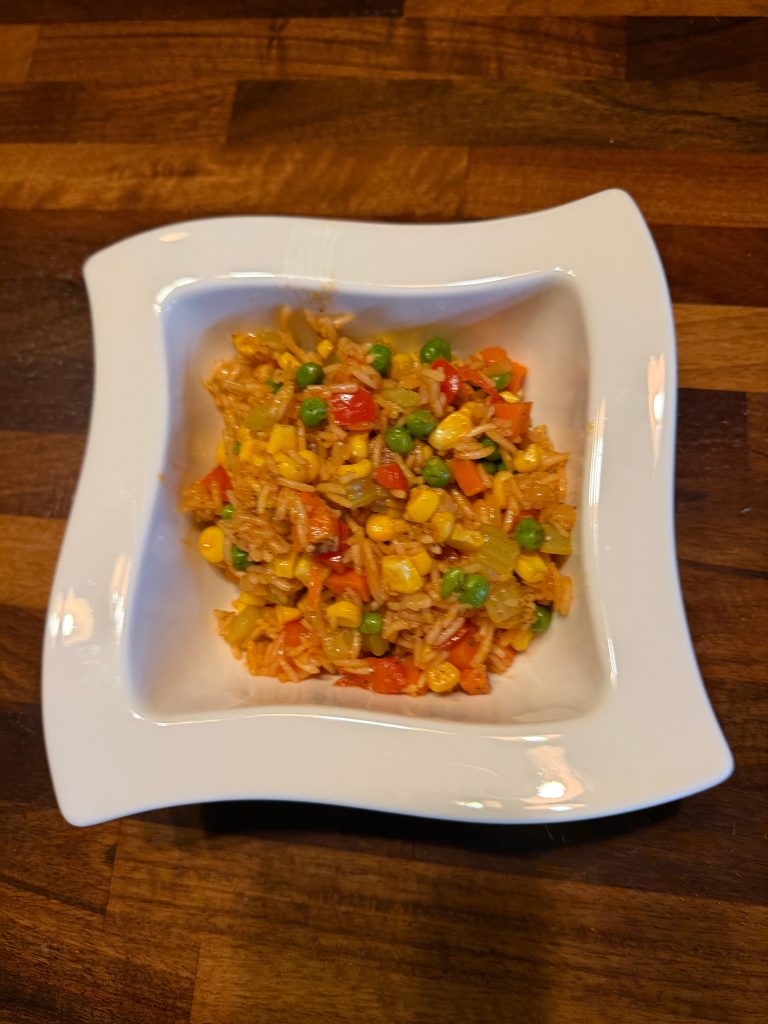 Savoury RiceView recipeUnited Kingdom
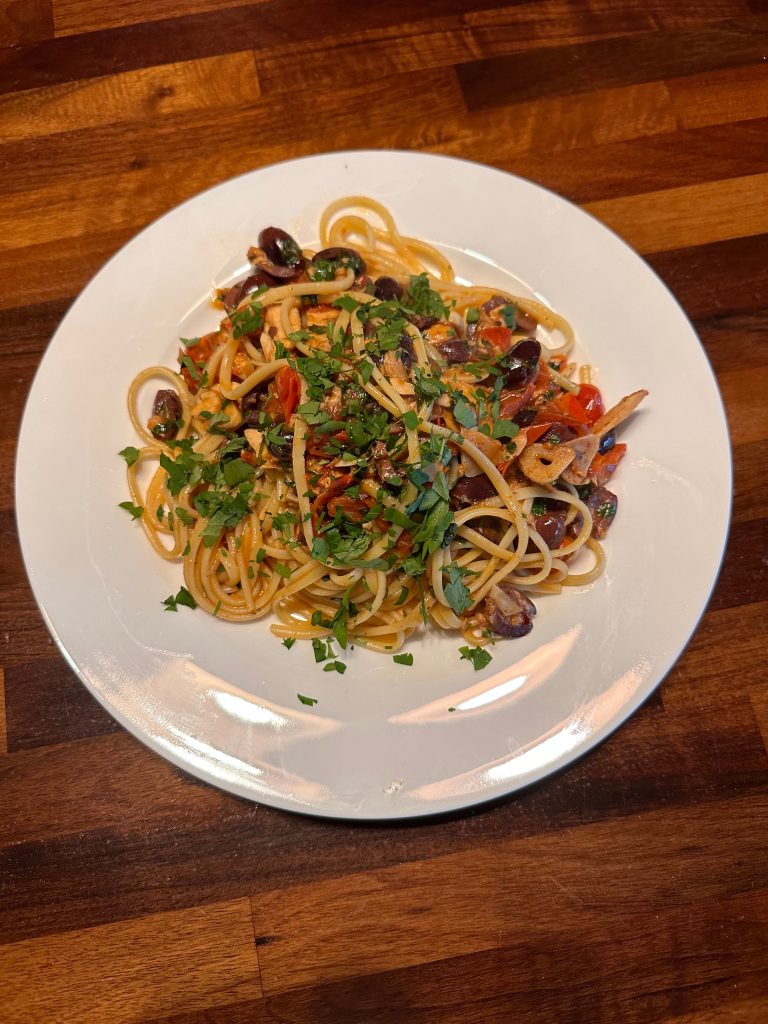 Tuna Linguine with Tomatoes & OlivesView recipeItaly
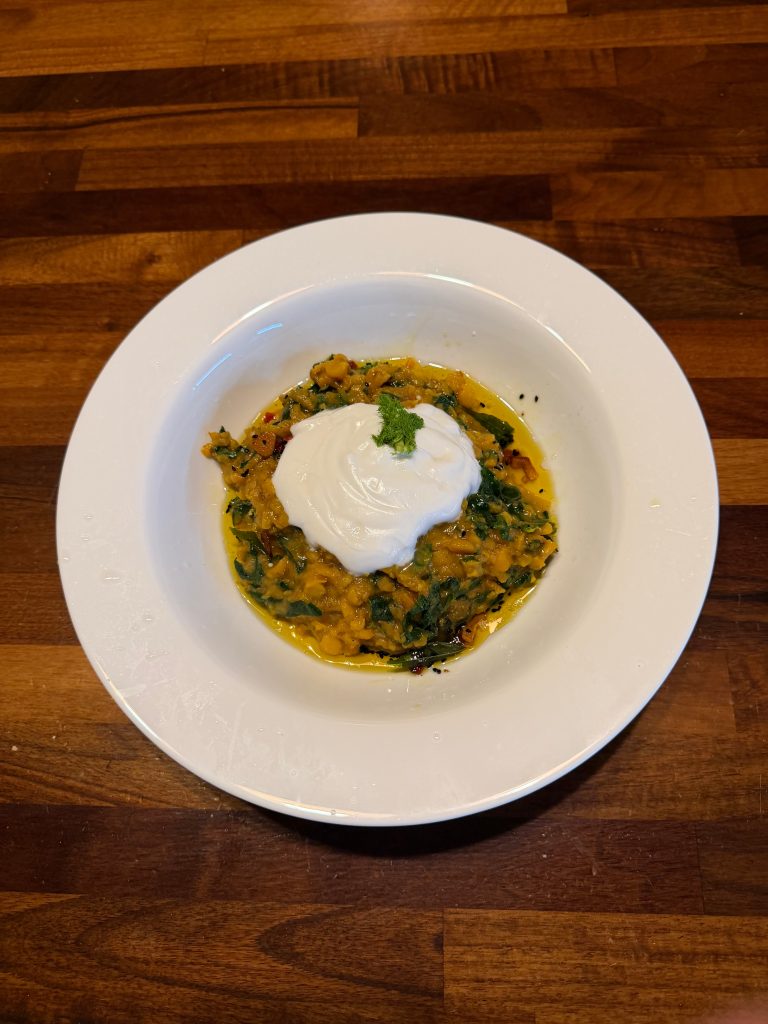 Split Yellow Pea Dhal with Tarka & Coconut YoghurtView recipeIndia
Keep the cupboard stocked and you will rarely be staring at nothing.
