Ingredients
Method
- Pinch of Cayenne Pepper
- Preheat the oven to 180C
- Heat 2 Tbsp of Oil in a large saucepan
- Add the Fennel (or Celery), Onion and half of the Garlic
- Cook for 5 minutes over a medium heat until the Onion has softened
- Add the Parsley, Fennel Seeds, Italian Herbs and Chilli Flakes and cook for 2 minutes
- Add the Wine, Stock, Lemon Zest, Bay Leaves and Carrot and cook for a further 5 minutes, until the liquid has reduced to about 100ml
- Stir in the Tomatoes and continue to cook over a medium heat for about 10 minutes, or until reduced to a well flavoured sauce
- Add the remaining Garlic, cover, and cook for 5 - 10 minutes
- Stir in the Courgettes and season to your own taste
- Cover and cook for 5 minutes
- Add the Asparagus and Peas
- Cover and cook for 5 minutes
- Lightly grease a lasagne dish with a little of the remaining Oil
- Lift half of the vegetables out of the sauce with a slotted spoon and discard the Bay Leaves
- Top with a layer of overlapping Lasagne sheets
- Pour the remaining vegetables and sauce on top
- Finish with a final layer of overlapping Lasagne sheets
- Mix the Ricotta Cheese with the Eggs and Parmesan
- Season with a little Nutmeg, Salt & Pepper and a pinch of Cayenne Pepper
- Pour this mix evenly over the top of the Lasagne
- Drizzle with any remaining Oil
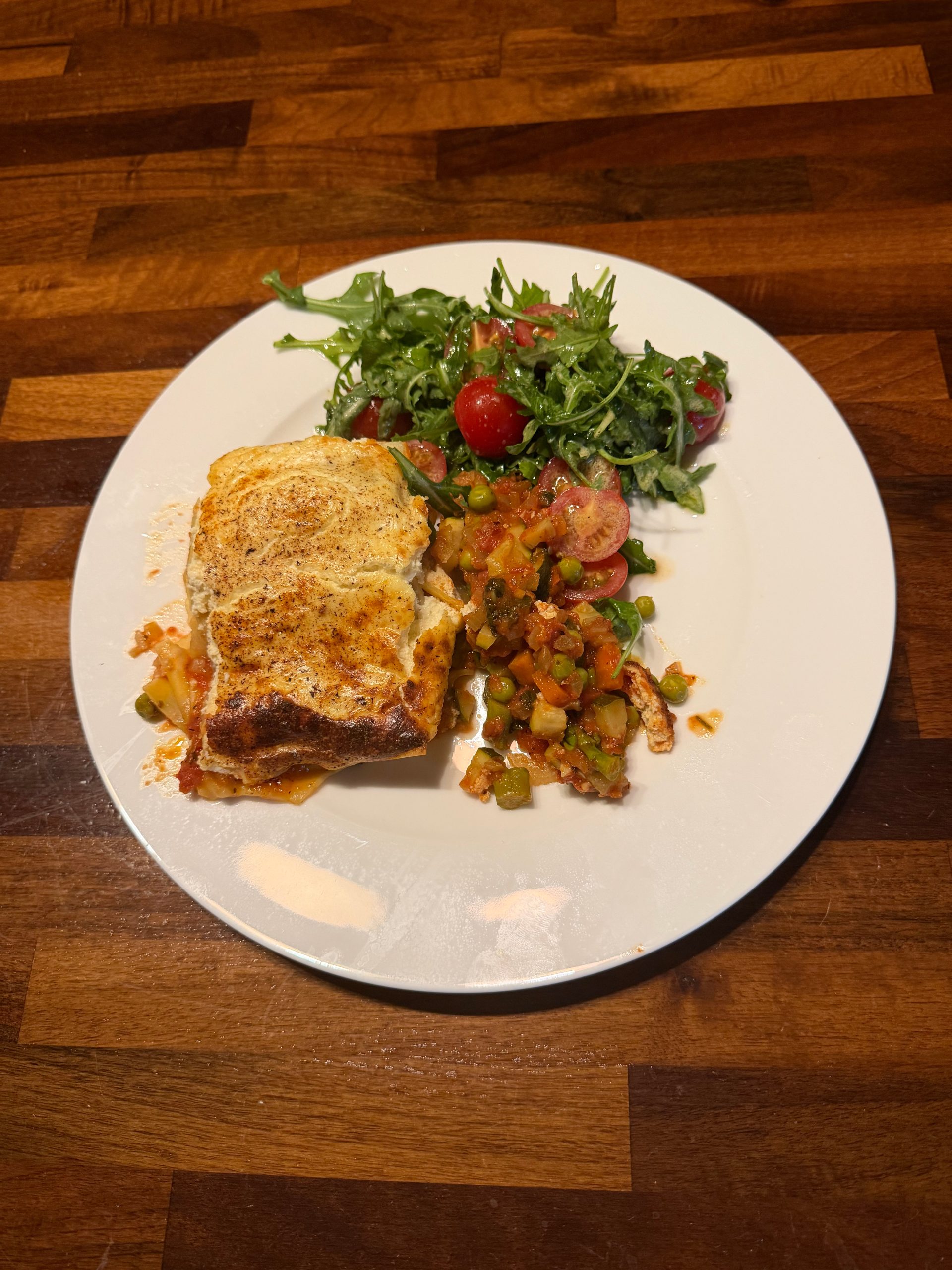
- Bake for 30 minutes, until the top is speckled golden brown
- Serve immediately divided over 6 serving plates along with some Salad leaves and Garlic Bread
Nutrition
Notes
Cooking the onion and fennel for long enough is crucial here to develop a sweet base flavour. Don't rush this step; properly softened aromatics make a huge difference to the finished dish.
Reducing the sauce for a full 10 minutes allows the flavours to properly meld and concentrate. A well-reduced sauce will prevent your lasagne from becoming watery later on, ensuring a robust and savoury result.
When layering the lasagne sheets, it's best to slightly overlap them. This creates a more stable structure and ensures that every part of your lasagne is covered, preventing dry or hard edges.
Reducing the sauce for a full 10 minutes allows the flavours to properly meld and concentrate. A well-reduced sauce will prevent your lasagne from becoming watery later on, ensuring a robust and savoury result.
When layering the lasagne sheets, it's best to slightly overlap them. This creates a more stable structure and ensures that every part of your lasagne is covered, preventing dry or hard edges.