Vegetable Lasagne
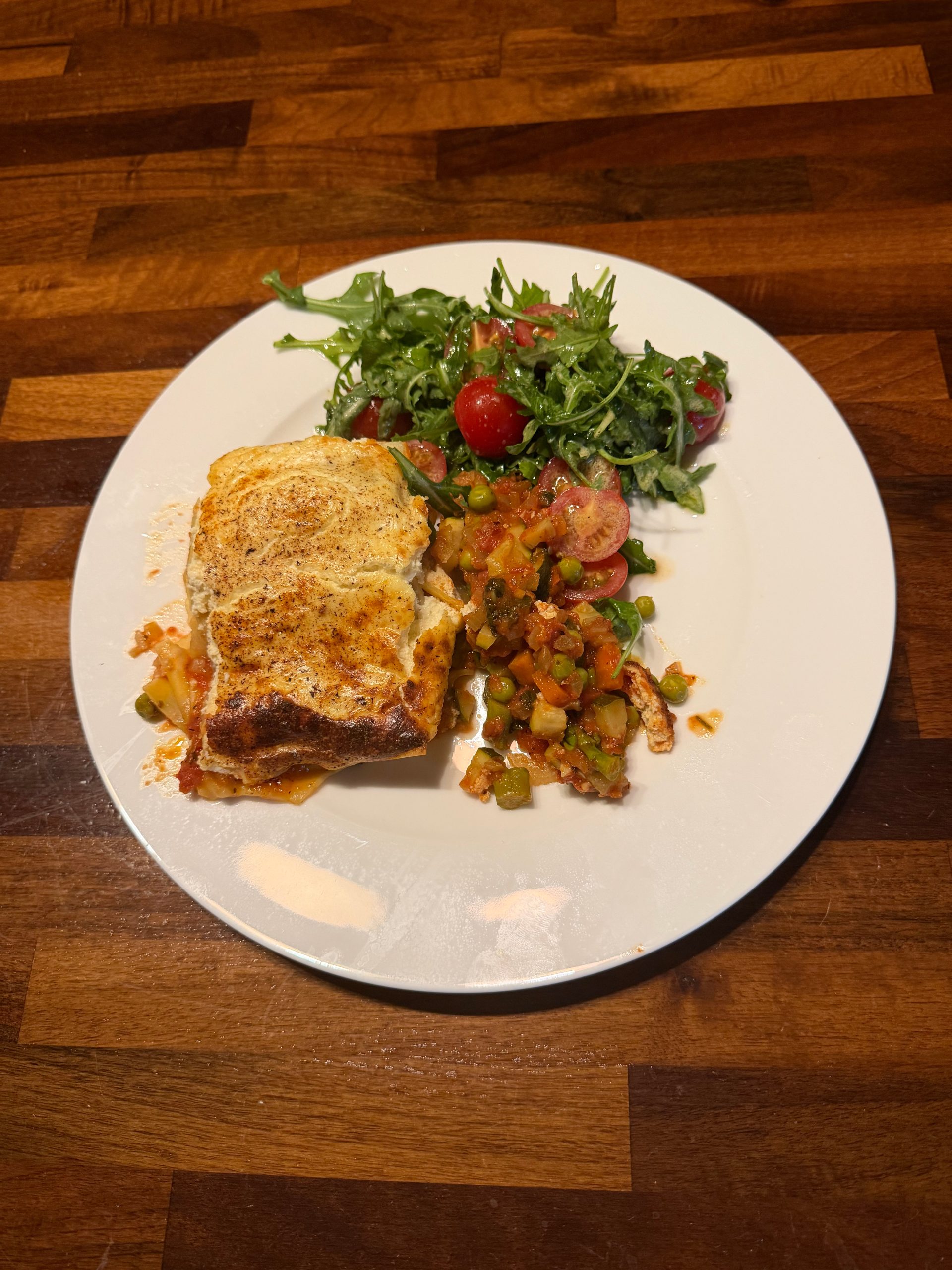
A proper vegetable lasagne: summer vegetables simmered into a lemony, herb-flecked tomato sauce, layered with fresh pasta and finished with a baked ricotta-and-Parmesan top. Loaded with courgette, asparagus and peas, it is hearty and fresh at once, and a brilliant meat-free centrepiece.
From Recipes to Bank — the original ring binder where this site began, circa 2008.
Why this works
- A properly reduced vegetable sauce: softening the aromatics slowly and reducing the sauce stops the lasagne going watery and keeps the flavour concentrated.
- Lemon zest and fennel keep a vegetable lasagne bright and lifted rather than heavy.
- A ricotta-and-egg top instead of béchamel bakes to a light, golden, soufflé-like finish, lighter than a classic white sauce.
Ingredient notes and swaps
- Courgette, asparagus and peas, summer vegetables; swap to roasted squash, mushrooms or spinach in cooler months.
- Ricotta and Parmesan for the topping; the egg sets it to a golden finish.
- Fresh lasagne sheets need no pre-cooking and bake quickly; dried no-cook sheets work with enough sauce.
- Lemon zest: do not skip it; it lifts the whole dish.
Vegetable Lasagne
FavouriteIngredients
Method
- Pinch of Cayenne Pepper
- Preheat the oven to 180C
- Heat 2 Tbsp of Oil in a large saucepan
- Add the Fennel (or Celery), Onion and half of the Garlic
- Cook for 5 minutes over a medium heat until the Onion has softened
- Add the Parsley, Fennel Seeds, Italian Herbs and Chilli Flakes and cook for 2 minutes
- Add the Wine, Stock, Lemon Zest, Bay Leaves and Carrot and cook for a further 5 minutes, until the liquid has reduced to about 100ml
- Stir in the Tomatoes and continue to cook over a medium heat for about 10 minutes, or until reduced to a well flavoured sauce
- Add the remaining Garlic, cover, and cook for 5 - 10 minutes
- Stir in the Courgettes and season to your own taste
- Cover and cook for 5 minutes
- Add the Asparagus and Peas
- Cover and cook for 5 minutes
- Lightly grease a lasagne dish with a little of the remaining Oil
- Lift half of the vegetables out of the sauce with a slotted spoon and discard the Bay Leaves
- Top with a layer of overlapping Lasagne sheets
- Pour the remaining vegetables and sauce on top
- Finish with a final layer of overlapping Lasagne sheets
- Mix the Ricotta Cheese with the Eggs and Parmesan
- Season with a little Nutmeg, Salt & Pepper and a pinch of Cayenne Pepper
- Pour this mix evenly over the top of the Lasagne
- Drizzle with any remaining Oil
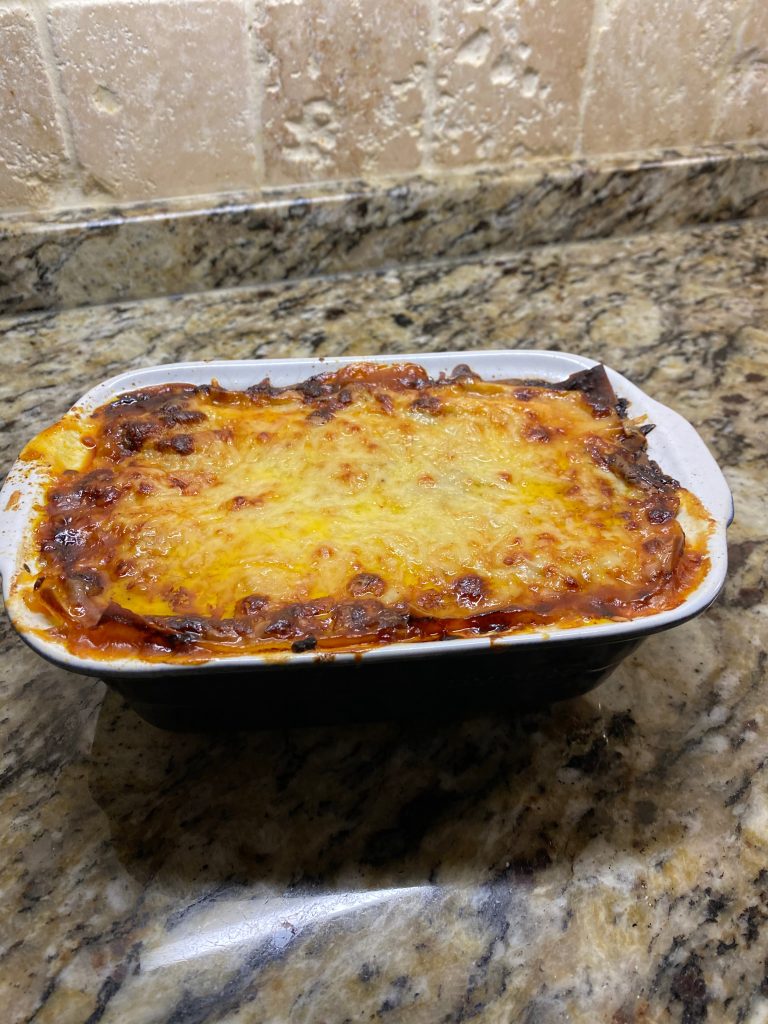
- Bake for 30 minutes, until the top is speckled golden brown
- Serve immediately divided over 6 serving plates along with some Salad leaves and Garlic Bread
Nutrition
Notes
Reducing the sauce for a full 10 minutes allows the flavours to properly meld and concentrate. A well-reduced sauce will prevent your lasagne from becoming watery later on, ensuring a robust and savoury result.
When layering the lasagne sheets, it's best to slightly overlap them. This creates a more stable structure and ensures that every part of your lasagne is covered, preventing dry or hard edges.
Tried this recipe?
Let us know how it was!Tips for success
- Soften the onion and fennel slowly for a sweet base.
- Reduce the sauce well; a watery sauce makes a sloppy lasagne.
- Overlap the pasta sheets for a stable, even bake.
- Rest it a few minutes before cutting so the layers set.
Make ahead, storage and reheating
- Make ahead: Assemble a day ahead and chill, or freeze before baking, ideal for entertaining.
- Storage: Three days in the fridge; freezes up to three months.
- Reheating: Cover with foil and warm in a moderate oven until piping hot.
What to serve it with
- A sharp green salad and garlic bread. A medium Italian red or a crisp white.
FAQ
Can I use other vegetables? Yes: roasted squash, mushrooms, spinach or aubergine all work; just keep the sauce well reduced.
Why ricotta instead of béchamel? It bakes lighter and golden, and keeps the dish feeling fresh.
Do I pre-cook the pasta? Not with fresh sheets, or no-cook dried ones with enough sauce.
Can I make it ahead or freeze it? Yes to both; a brilliant make-ahead.
Try these next
Get the basics right in our How to cook pasta guide, explore the Italy chapter of the Kitchen Atlas, or find another Comfort Food favourite, then cook more:
This is a taste of Italian cooking. Explore the whole cuisine — its story, key ingredients and more of our recipes — in the Kitchen Atlas.
Explore Italian in the Kitchen Atlas →