Italy
Pasta, risotto and slow-cooked ragù — the rich traditions of la cucina italiana.
About Italian cuisine
There isn’t really one Italian cuisine — there are twenty. The cooking of Sicily, with its capers, anchovies and citrus, has almost nothing in common with the butter, cream and slow-cooked ragùs of Emilia-Romagna. The north leans on rice, polenta and dairy; the south on tomatoes, olive oil and the sea. What ties it all together is a quiet respect for the ingredient — you cook to show it off, not to cover it up.
The defining flavours are simpler than people think. Good olive oil, a tin of proper tomatoes, garlic, an onion, a piece of Parmigiano, a handful of herbs and decent dried pasta will carry you through most weeknights. The technique that matters most isn’t fancy — it’s patience. Letting onions soften slowly, letting a sauce reduce until it clings, finishing pasta in the pan with a splash of its own cooking water so everything binds together.
That’s why it works so well in a home kitchen. Italian food rewards attention rather than equipment. A heavy pan, twenty minutes and four good ingredients will give you something better than most restaurant pasta. It’s the cuisine we cook from most often, and the one we’d recommend any new cook start with.
My memories of Rome are, above all, of sore feet — a long weekend spent walking to take in as many of the sights as we could. But Italy, for me, is all about simple recipes built on great ingredients — cacio e pepe, to name but one. And if you want a break from the tourist spots, Testaccio is a neighbourhood imbued with an authentic Roman spirit. There, to replenish the calories burned over countless steps, I discovered porchetta: Rome’s answer to the perfect sandwich — juicy, aromatic and completely addictive. It is a good job it was not a longer visit.
Key ingredients
Stock these and you can cook Italian almost any night of the week.
 Tomatoes
Tinned San Marzano for sauces, ripe vine tomatoes in summer.
 Extra virgin olive oil
Used for cooking, finishing and almost everything in between.
 Garlic
Sliced thin for sauces, smashed for infusing oil — never burnt.
 Basil & parsley
Torn at the end so the flavour stays bright and fresh.
 Parmigiano Reggiano
Grated over pasta, stirred into risotto, the savoury backbone.
 Good dried pasta
Bronze-die cut holds sauce better than supermarket smooth pasta.
Recipes from my kitchen
A handful of Italian recipes I cook on rotation. All tested in a real kitchen. If you want somewhere to start, my penne primavera is the one I make most in spring and summer — and the cacio e pepe is the one I never tire of.
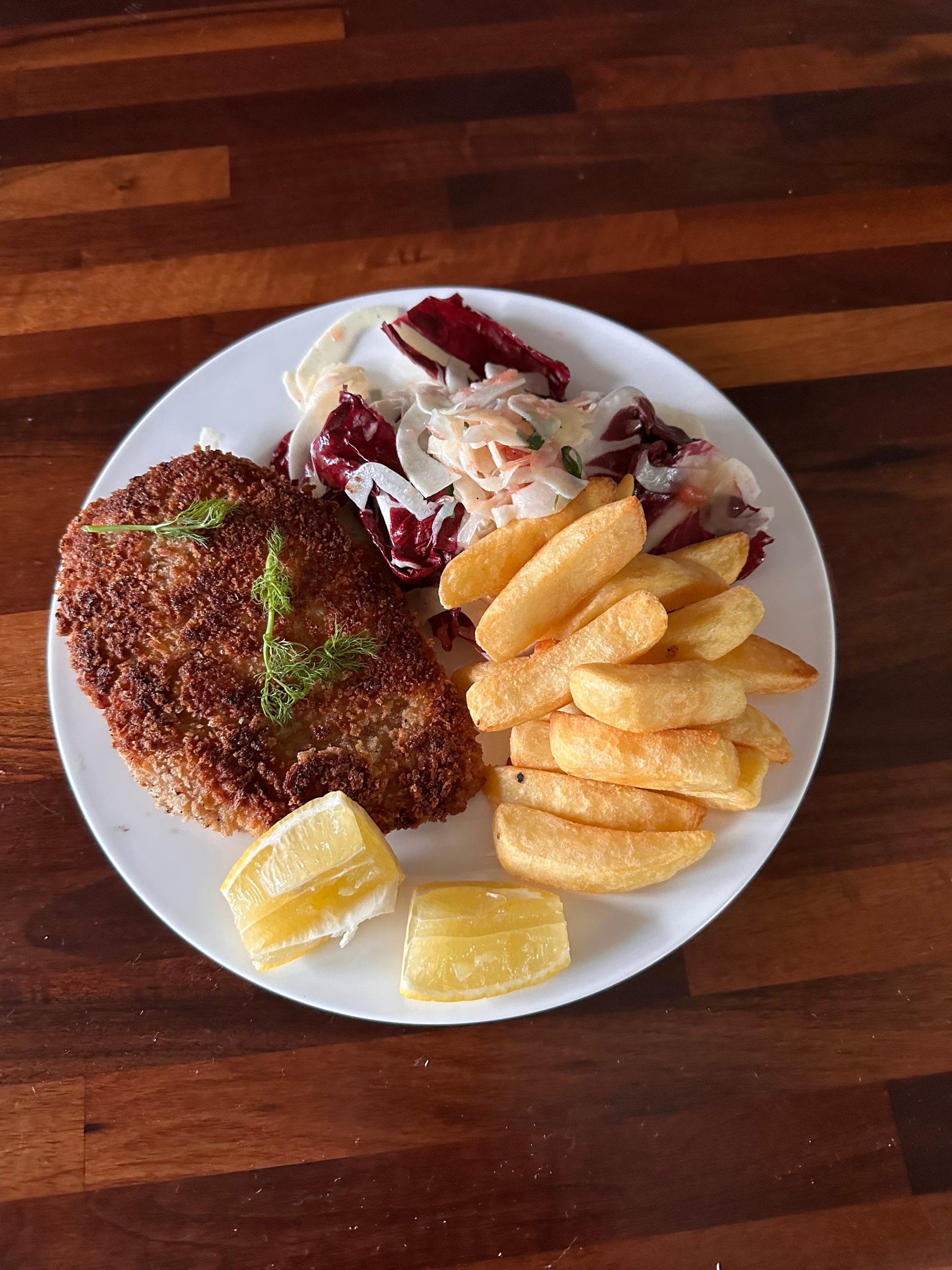
Chicken Milanese with Grapefruit and Fennel Salad
Super tasty, super easy and super quick. This Chicken Milanese recipe with a grapefruit and fennel salad is simple enough to prepare on a weeknight.
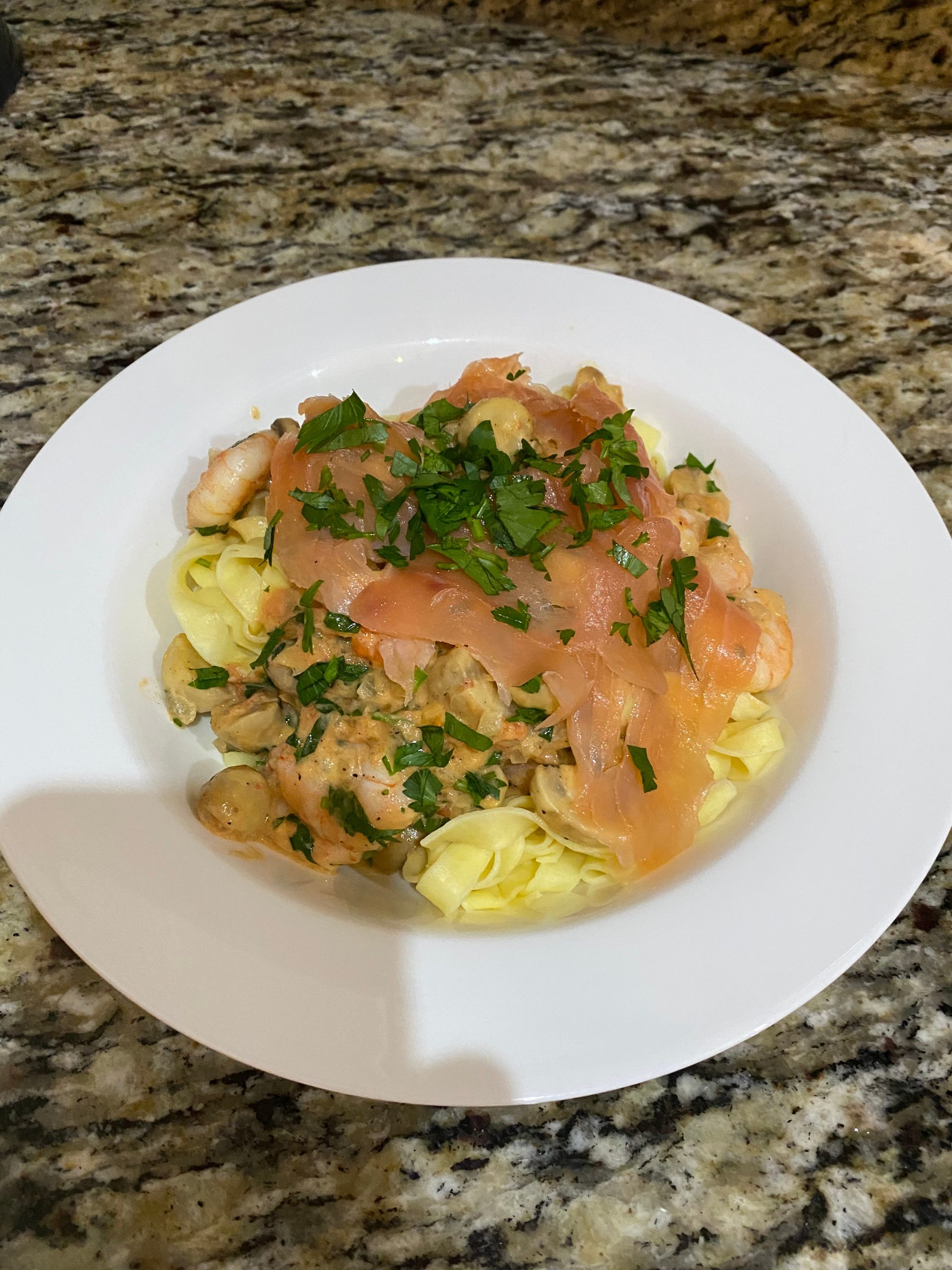
Prawn and Salmon Tagliatelle
This pasta dish is great for a perfect night in with your loved one. It tastes so good and is super quick and easy to make.
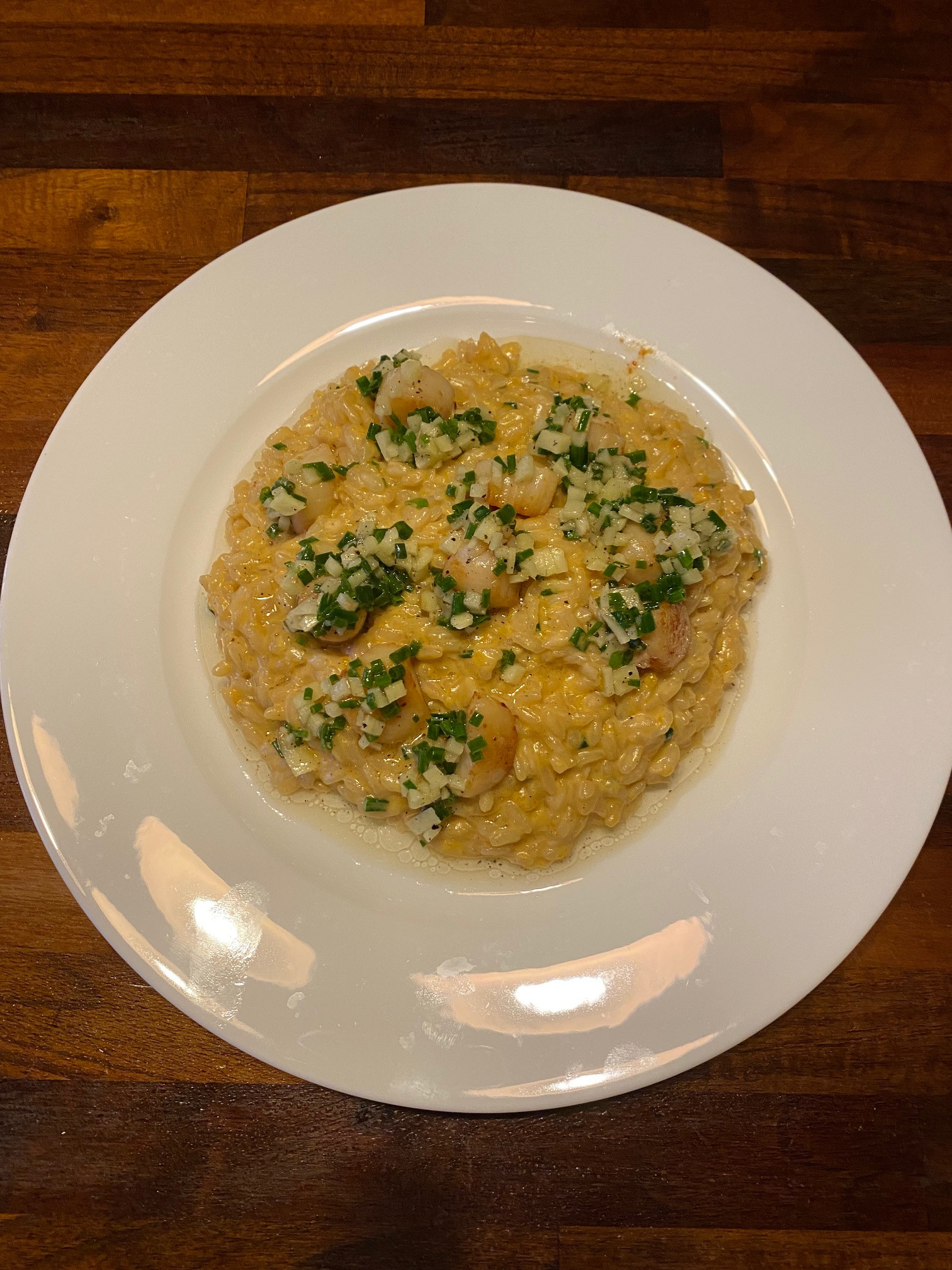
Butternut Squash Risotto with Zingy Scallops
This posh risotto blends the flavours from sea and land to create a real showstopper of a dish. The risotto has real depth of flavour.
