Pancakes
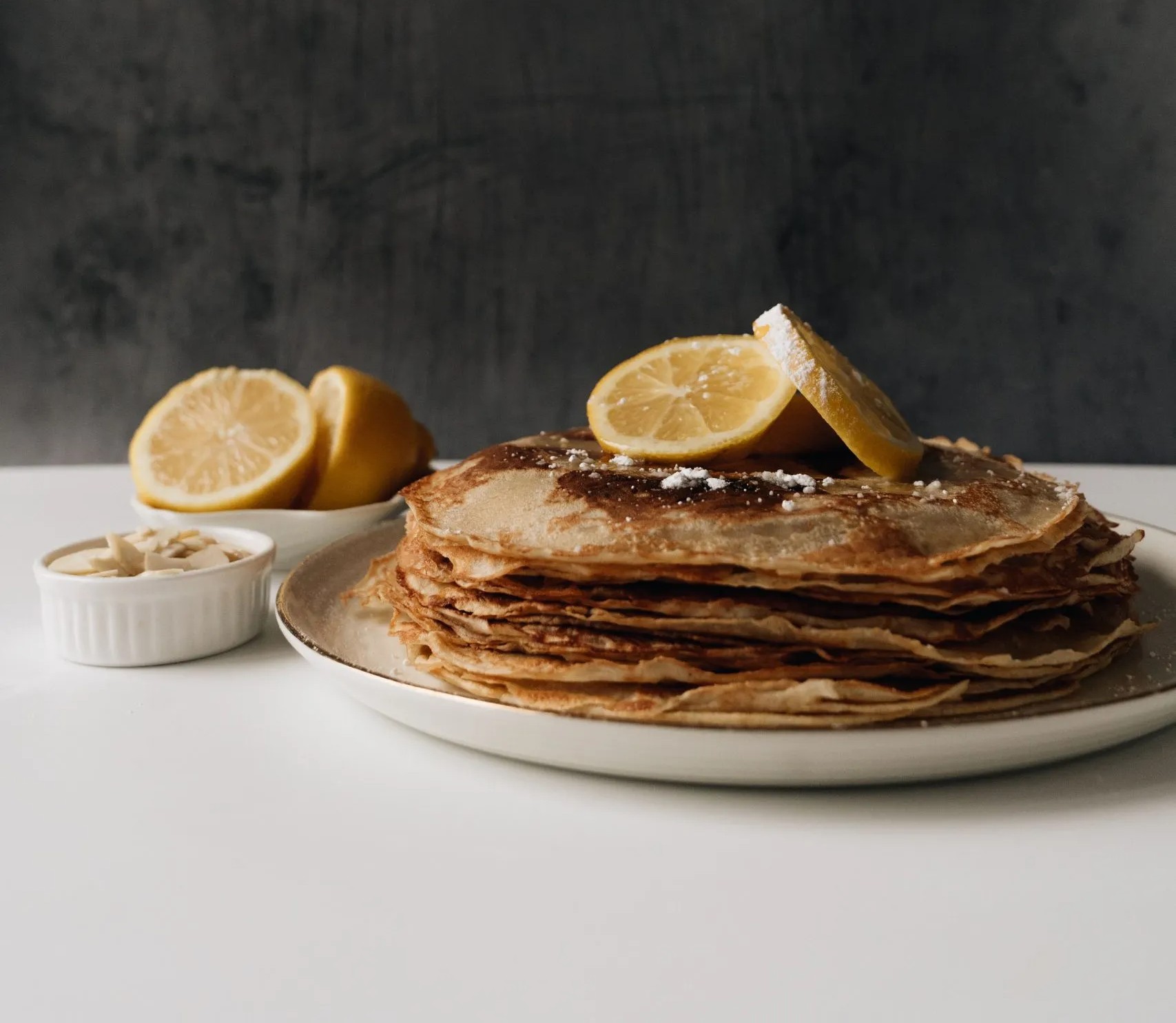
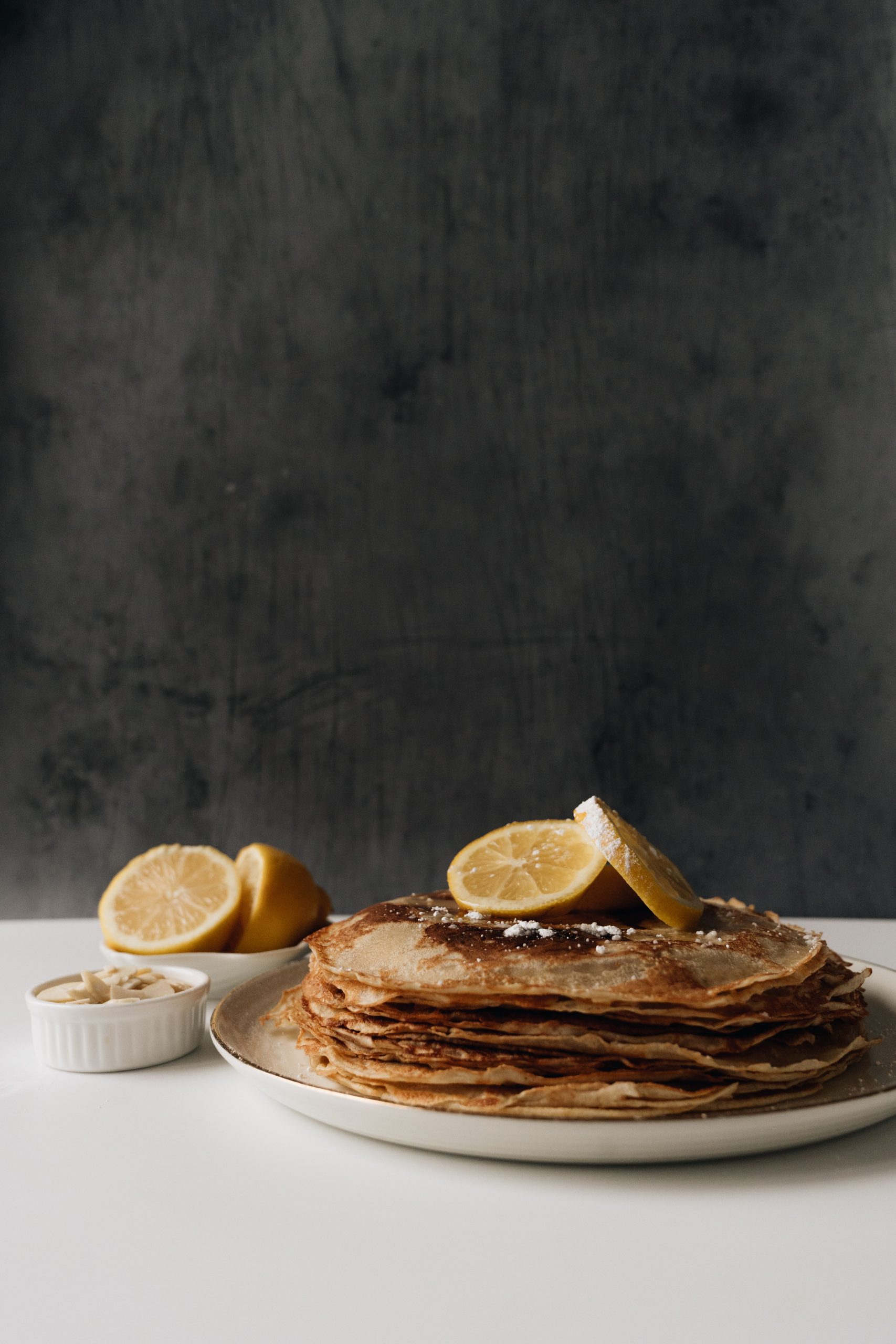
Everyone should be able to make a pancake from memory, and once you have made a batch or two, you can. This is the classic thin British pancake, the Shrove Tuesday kind, somewhere between a crepe and a wrapper, built from four things you almost certainly already have: flour, eggs, milk and a pinch of salt. No special equipment, no buttermilk, no baking powder. Just a good batter, a hot pan and a little confidence with the wrist.
The recipe below makes the batter, walks you through the first flip, and then hands you a dozen ways to fill and top them, because the pancake is really just the vehicle. Lemon and sugar is the birthright, but there is a lot more fun to be had.
Why this works
- A 1:2 flour-to-milk batter (by volume, near enough) gives a batter thin enough to swirl across the pan and set into a delicate, foldable pancake rather than a thick, stodgy one.
- Resting the batter for half an hour lets the flour hydrate and the gluten relax, so the pancakes cook tender and the batter spreads evenly.
- A properly hot pan and the thinnest film of fat are what separate a lacy, golden pancake from a pale, sticking one. The first pancake seasons the pan; do not be precious about it.
Ingredient notes and swaps
- Plain flour, all you need; there is no raising agent in a classic pancake. For a nuttier, more rustic pancake, swap a quarter of the flour for wholemeal or buckwheat.
- Eggs bind and enrich the batter. Two is right for this quantity; the batter should pour like single cream.
- Milk, whole milk gives the best flavour and colour. Semi-skimmed works; plant milks (oat is best) make a perfectly good dairy-free pancake.
- Salt, a pinch matters, even for sweet pancakes; it lifts everything.
- Butter or a flavourless oil for frying, butter tastes better, a little oil stops it burning. A knob of butter melted into the batter itself gives a richer pancake and helps them release.
Pancakes
FavouriteIngredients
Method
- Tip the flour and salt into a large bowl and make a well in the centre.
- Crack in the eggs and add a good splash of the milk. Whisk from the centre outwards, gradually drawing in the flour, to make a smooth, thick paste with no lumps.
- Whisk in the rest of the milk a little at a time until you have a smooth batter the consistency of single cream. Whisk in the melted butter.
- Cover and rest the batter for 30 minutes at room temperature. Give it a stir before using; it will have thickened slightly, so loosen with a splash of milk if needed.
- Place a 20cm non-stick frying pan over a medium-high heat. Add a small knob of butter and swirl to coat, then wipe out the excess with kitchen paper; you want the barest film.
- Pour in a small ladleful of batter, immediately tilting and swirling the pan so it runs into a thin, even circle. Cook for about a minute, until the edges lift and the underside is golden and lacy.
- Loosen the edges, then flip, with a palette knife or, if you are feeling brave, a flick of the wrist, and cook the second side for 30 seconds or so.
- Slide onto a warm plate and repeat, stacking as you go. Keep them warm under foil, or in a low oven, while you finish the batch.
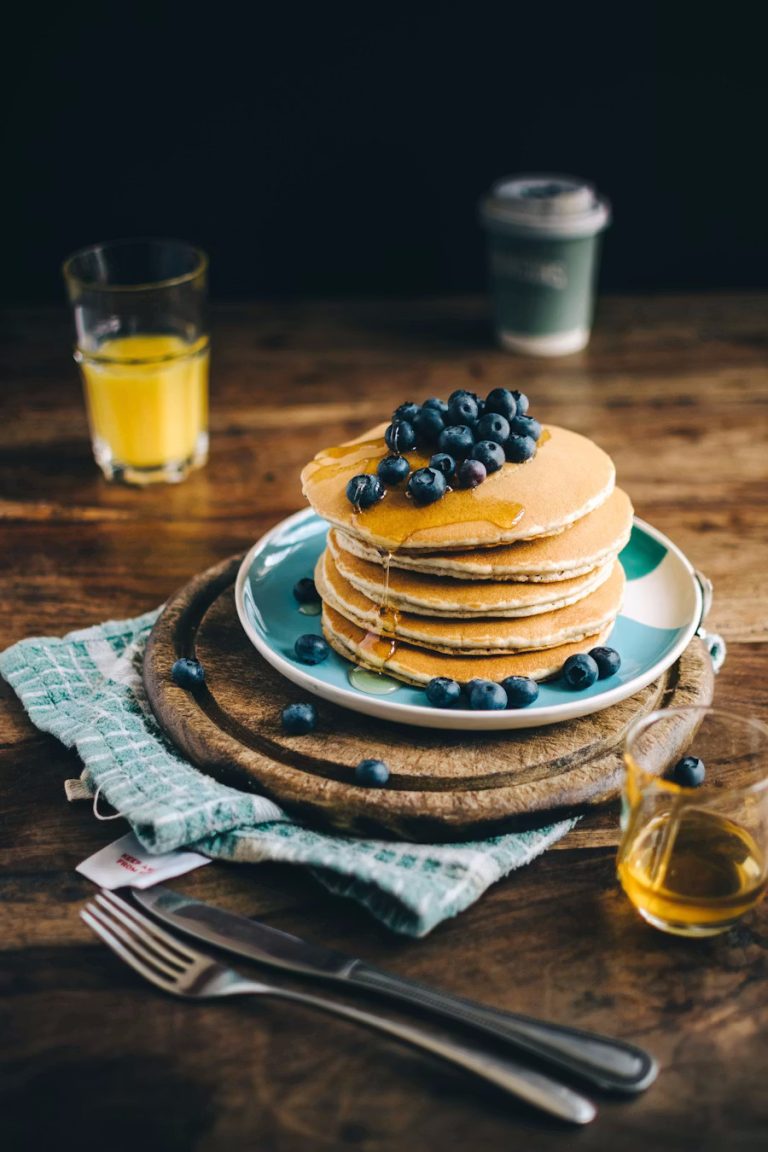
- Serve straight away with your chosen topping. The classic: a squeeze of lemon, a scatter of caster sugar, rolled up and eaten at once.
Nutrition
Notes
Tried this recipe?
Let us know how it was!Tips for success
- Rest the batter, it is the single biggest difference between a good pancake and a great one. Make it before you lay the table.
- Get the pan properly hot before the first pancake, and accept that the first one is the tester. It almost always is.
- Less fat than you think. A wiped, barely greased pan gives an even, golden pancake; a puddle of butter gives a patchy, fried one.
- Swirl fast. The moment the batter hits the pan, tilt and turn so it spreads thin before it sets.
Make ahead, storage and reheating
- Batter can be made a few hours ahead and kept covered in the fridge; loosen with a little milk before using.
- Cooked pancakes keep, stacked between squares of greaseproof, for two days in the fridge or up to two months in the freezer.
- Reheat in a dry pan for a few seconds a side, or briefly in a low oven; they crisp up beautifully.
What to serve it with
Sweet
- Lemon and sugar, the original and, honestly, still the best.
- Nutella and banana, warm and folded into quarters.
- Berries and cream, macerated strawberries or raspberries with a spoon of whipped cream or creme fraiche.
- Maple syrup and crisp streaky bacon, for the American in all of us.
- Salted caramel with a scatter of toasted pecans.
- Orange and a splash of Grand Marnier, warmed together, crepe-Suzette style.
- Lemon curd and a blob of clotted cream.
Savoury
- Ham, cheese and a soft egg folded into a parcel.
- Mushrooms and spinach softened in butter, with a grating of Parmesan.
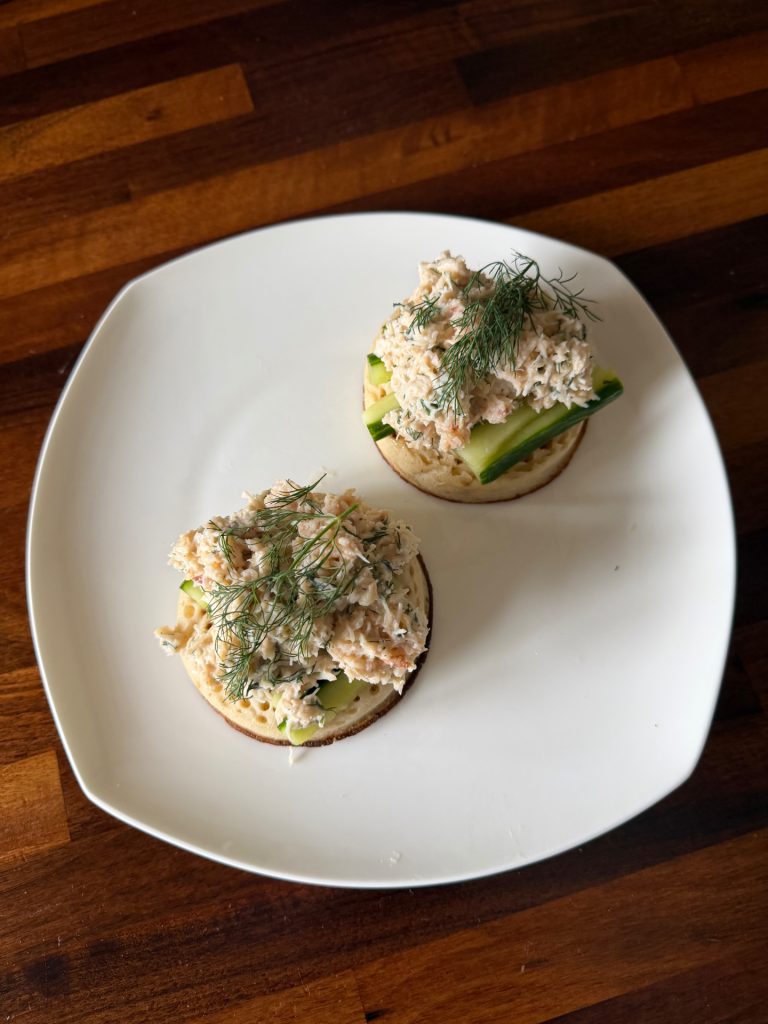
- Smoked salmon, creme fraiche and dill.
- Spinach and ricotta, rolled and baked for a few minutes.
- Grated cheddar and a spoon of caramelised onion.
FAQ
Why rest pancake batter? Resting lets the flour absorb the liquid and the gluten relax, giving tender pancakes and an even, easy-to-swirl batter. Thirty minutes is plenty.
Why is my first pancake always a disaster? Because the pan is still coming up to temperature and seasoning. It is meant to be the tester; the second one onwards will be perfect.
Can I make pancakes without eggs? Yes, replace each egg with a tablespoon of milled flaxseed soaked in three tablespoons of water, or simply use a little more milk and a splash of oil; the pancakes will be slightly less rich but still good.
What is the right consistency for the batter? Single cream, thin enough to pour and swirl, thick enough to coat the back of a spoon lightly. If it thickens on resting, loosen with a splash of milk.
Try these next
Keep the sweet treats coming:
This is a taste of British cooking. Explore the whole cuisine — its story, key ingredients and more of our recipes — in the Kitchen Atlas.
Explore British in the Kitchen Atlas →